Mom and Baby Frog: A Craft Fair Design Review
When I first opened the Mom and Baby Frog machine embroidery design, I had to pause and think about where it would land in my booth. I have been designing and stitching for weekend craft fairs for years, and I have learned that cute animal designs either fly off the table or sit there untouched. This one, I am happy to report, leans hard into the sweet spot. Let me walk through what I see as a professional embroidery designer preparing to turn this embroidery file into real products for a handmade market.
First Impression and Booth Presence
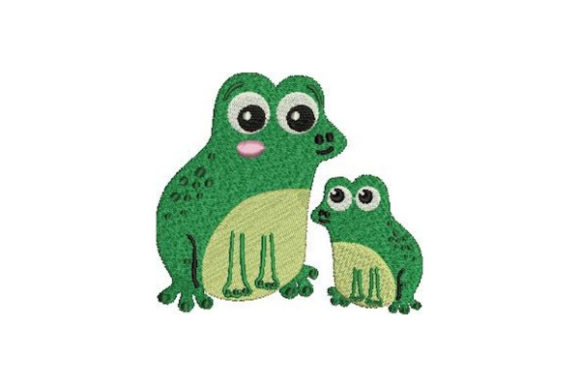
The Mom and Baby Frog design feels warm, playful, and gently whimsical. It is not trying to be rustic farmhouse or ultra modern. It sits right in the middle of adorable but not childish, which is exactly the tone that appeals to both gift buyers and young parents at a craft fair. The first thing I noticed is that the subject matter carries immediate emotional weight. A mother and baby pair, especially in animal form, triggers a buying instinct in customers scanning a table. I have seen this pattern with bird and bear designs, and frogs bring a fresh twist that feels less common than the usual bunnies or elephants.
From a distance, the design needs to read clearly. Based on the title and the description, I expect the frog shapes to be bold enough to catch the eye across a crowded booth. If the frog outlines are distinct and the baby frog sits close to the mom, this design will stop people walking past. That is critical for a craft fair product. You have about three seconds to grab attention before a shopper moves on. Mom and Baby Frog has the right emotional hook and a friendly silhouette that works well in a busy display.
Best Products for Mom and Baby Frog
I have tested similar designs across many product types, and here is where I see this embroidery performing best for a handmade product lineup.
Tote Bags and Market Bags
A tote bag design is the first thing I would make with this frog pair. The design sits naturally on the front panel of a canvas tote, and the mother and baby subject appeals to shoppers carrying reusable bags for farmers markets or library trips. I would stitch it in a medium size, roughly four to five inches wide, so the frogs are visible but do not overwhelm the bag. The emotional connection here is strong. A tote with Mom and Baby Frog becomes a conversation piece, and I have found that customers who buy animal totes often come back for matching items.
Apron Embroidery
For apron embroidery, this design works beautifully on the chest or lower pocket area. Aprons sell well at craft fairs because they feel functional and giftable. The frog design adds a playful touch that makes the apron feel personal rather than generic. I would recommend using a medium weight apron fabric, nothing too textured, so the stitch detail stays crisp. The baby frog element is especially charming on a child-sized apron, which opens up a second customer segment.
Tea Towels and Kitchen Linens
Tea towel embroidery is a staple at any handmade market, and Mom and Baby Frog fits right in. Kitchen towels with animal designs sell consistently because they are low cost, easy to gift, and easy to display in stacks. I would stitch this design near the bottom hem of a towel, allowing the fabric to drape naturally. The frog motif works well in a kitchen setting, especially for customers who love quirky, nature-inspired decor. One note: test the design on a towel before committing to batch production. Towel texture can hide small details, and you want the baby frog to remain distinct.
Embroidered Patches
Patches are a high-margin item at craft fairs, and an embroidered patch of Mom and Baby Frog would appeal to kids and adults alike. Patches let customers customize their own jackets, backpacks, or denim shirts. The design needs to be compact enough to fit on a patch backing, and the frog shapes should be clear at a smaller scale. If the design includes fine lines or tiny details, those may get lost in patch production. I recommend testing a patch version first and checking that the stitch density holds up on a patch substrate.
Caps and Hats
Adding this design to a cap is a clever move. Mom and Baby Frog on a baseball cap or a bucket hat feels fresh and unexpected. However, caps are tricky surfaces. The curve of the front panel can distort a design, especially if the stitch count is dense or the design is wide. I would keep the hoop size small and position the frogs on the front center or slightly offset. A cap with a cute frog pair is the kind of item that gets photographed and shared, which is free marketing for your booth.
Pillow Covers and Fabric Pouches
For a softer, home decor angle, pillow covers and small fabric pouches are excellent options. A throw pillow with Mom and Baby Frog makes a thoughtful nursery gift or a fun accent for a child's room. Fabric pouches, like zipper cases or drawstring bags, are quick to produce and easy to price at a lower point. These items fill out a booth table nicely and give customers a range of price options.
Practical Selling and Production Points
One of the strongest selling points of Mom and Baby Frog is how quickly customers understand it. There is no confusion. A mother and baby frog together reads instantly as a loving pair. That clarity is a huge advantage for a small shop product. Shoppers do not have to stop and decipher the design. They see it, smile, and reach for their wallet.
The design also works well as both a small accent and a larger focal design. If the embroidery file includes multiple sizes, you can scale it down for a cap or pouch and scale it up for a tote or apron. That flexibility is essential for an Etsy seller or commercial embroidery operation that needs to produce a variety of items without buying new designs for each product.
When it comes to photographing for online listings, this design has good visual appeal. The frog shapes are likely to photograph well because they are recognizable and have a friendly outline. I would recommend stitching a sample on a neutral background like cream or light green fabric and taking photos in natural light. A printable mockup can help you visualize the design on different products before you stitch, but nothing replaces a real finished sample for booth display.
Batch production is another consideration. If the design has a moderate stitch count and a manageable number of thread colors, it will be repeatable without constant thread changes. That saves time when you are stitching ten to twenty items for a weekend market. I would check the stitch density carefully. Designs with very dense areas can cause fabric puckering, especially on lighter weight materials. If the Mom and Baby Frog design has dense fill areas, plan to use a quality stabilizer and test on your chosen fabric first.
Careful Use Notes for Production
No design review is complete without honest caution. Here are the points I would watch for with Mom and Baby Frog:
- Dense stitch areas. If the frog bodies are heavily filled with satin or tatami stitches, the design may feel stiff on soft fabrics. Test on a scrap piece before stitching a batch of tea towels or lightweight pouches.
- Tiny details. The baby frog is likely smaller than the mom. If the baby frog includes tiny eyes or toes, those details may blur or break at small hoop sizes. Consider enlarging the design slightly if the baby frog loses clarity.
- Small lettering. If the design includes any text, such as a name or phrase, check that the lettering is at least one quarter inch tall. Anything smaller will be difficult to read and prone to thread breakage, especially on textured fabrics.
- Thick fabric. On thick towels or canvas, the needle may struggle to penetrate dense stitches. Use a sharp needle and a strong stabilizer to avoid skipped stitches.
- Curved cap surfaces. As mentioned earlier, caps require careful hooping and a design that is not too wide. If the Mom and Baby Frog design is wider than four inches, it may distort on a cap front.
- Dark fabric. If you stitch this design on dark fabric, ensure the thread colors include enough contrast. Dark green or black fabric could swallow the frogs if the thread colors are too similar. Light green, yellow, or cream thread will pop nicely.
Visual Appeal and Customer Engagement
In my experience, animal designs that show a parent and baby generate a specific kind of customer engagement. People stop, smile, and often say, "That is so cute." That reaction is gold at a craft fair. It opens a conversation, and conversations lead to sales. Mom and Baby Frog has that effect built in. The design feels nurturing and joyful, which aligns well with the handmade market's emphasis on thoughtful, personal products.
For booth display, I would group items with this design together on a small table or shelf. A tote, a towel, a cap, and a patch all showing the same frog pair creates a cohesive look that signals quality and intentionality. Customers appreciate seeing a design repeated across multiple product types. It gives them choices and makes the booth feel curated rather than random.
From a brand consistency standpoint, this design fits well in a collection of nature-inspired or woodland-themed items. If you already sell bird, bear, or rabbit designs, Mom and Baby Frog extends that line without repeating the same animals. It adds variety while keeping the same emotional tone.
Practical Embroidery Designer Notes
Before you start stitching for a craft fair, here are the steps I take with every new design, and I recommend you do the same with Mom and Baby Frog:
- Test the design on scrap fabric. Use the same fabric type you plan to sell. Stitch the design once and inspect the stitch quality, thread tension, and overall appearance.
- Check thread contrast. Lay the stitched sample next to your fabric options. Make sure the frogs stand out clearly. If the contrast is weak, consider changing the thread colors or using a different fabric base.
- Review spacing. Look at the distance between the mom and baby frog. If they are too close, the baby may blend into the mom. If they are too far apart, the design loses its emotional connection. Adjust the placement if needed.
- Confirm hoop size. Make sure the design fits comfortably in your available hoop sizes. A design that is too large for a standard hoop will slow down production and increase the risk of misalignment.
- Inspect stitch density. Run a test stitch and feel the fabric after stitching. If the design feels stiff or bulky, reduce the density or use a lighter stabilizer.
- Use the right stabilizer. For tote bags and aprons, a tear-away stabilizer works well. For caps and thick towels, use a cut-away stabilizer for extra support. Always match the stabilizer to the fabric weight.
- Create at least one real mockup. Stitch the design on the actual product you plan to sell. Photograph it and use that image for your Etsy seller listings and booth signage. Customers trust real photos over printable mockup images.
- Compare fabric colors. Stitch the design on two or three fabric colors and choose the one that makes the frogs pop. Light green, cream, soft yellow, and light blue are safe bets.
- Confirm commercial licensing. Before you sell any finished product featuring this digital embroidery file, check the license terms. If you are unsure, contact the designer. Selling at a craft fair counts as commercial embroidery, and you need permission to use the design assets for profit.
Final Thoughts on Mom and Baby Frog
After reviewing Mom and Baby Frog from every angle, I would confidently add this design to my craft fair lineup. It has the emotional appeal, the visual clarity, and the product versatility that small shop owners and handmade sellers need. The frog theme is charming without being overly niche, and it fits naturally into a booth display alongside other nature-inspired items. As long as you test the stitch density, choose the right hoop size, and confirm your commercial embroidery rights, this design is a solid addition to any handmade product collection. I would start with a tote bag sample and a tea towel, see how customers react, and then expand into caps and patches. That is a low-risk approach that lets the design prove itself at the market. Mom and Baby Frog has the potential to be a repeat seller, and that is exactly what every craft fair booth needs.