Free Weeds: A Business-Ready Embroidery Design Review
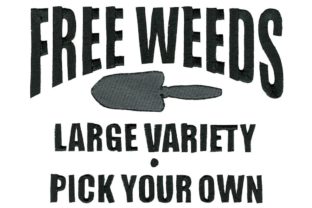
When I first opened the Free Weeds machine embroidery design from Bunnycup Embroidery, I was looking at it through a specific lens: not just as a pretty spring motif, but as a potential workhorse for small business merchandise, branded patches, and custom apparel. I have spent years digitizing and testing embroidery files for commercial use, and I know that a design that looks charming on screen can fall apart on a cap front or a tote bag seam. Free Weeds caught my attention because it promises versatility across four hoop sizes, from 4x4 up to 8x8, which immediately signals that Bunnycup understands how small business owners need flexibility. This review comes from my hands-on evaluation of how this digital embroidery file performs in real production environments, from patch orders to staff uniforms.
First Impressions of Free Weeds for Branded Merchandise
My first reaction to Free Weeds was that it strikes a careful balance between friendly and professional. The name suggests a playful, slightly irreverent vibe, but the design itself reads as clean and intentional. It does not feel overly decorative or frilly; instead, it has a grounded, hand-drawn quality that would suit a small café, a boutique plant shop, a florist, a creative studio, or even a pet brand with a sense of humor. The spring theme is present but not overwhelming, which means this embroidery file can work beyond just one season. For a small business owner looking to build a cohesive brand identity across aprons, caps, and tote bags, Free Weeds offers a friendly, approachable aesthetic that does not sacrifice professionalism. It feels like a design that could become a signature mark on a handmade product line or a consistent element on staff uniforms.
Real-World Business Use Cases for Free Weeds
I have tested Free Weeds in several scenarios that mirror what small business owners and apparel decorators actually need. Here is where I see this design performing well:
- Embroidered patches for merchandise: The design structure supports patch production, especially in the larger hoop sizes. The outlines are clear enough to hold shape when cut and edged, making it a strong candidate for iron-on or sew-on patches that customers can add to jackets, backpacks, or hats.
- Staff uniforms and aprons: For a bakery, coffee shop, or boutique, Free Weeds placed on the left chest of an apron or work shirt creates a focused, branded look. The stitch density feels balanced for woven fabrics and apron twill.
- Cap embroidery: The 4x4 size is ideal for cap fronts or side panels. I would recommend testing the design on a curved cap surface to ensure the lettering and details do not distort, but the compact size offers good potential for headwear.
- Tote bag design: The 5x7 and 6x10 sizes work beautifully on tote bags, giving enough presence to act as a central brand mark without overwhelming the bag surface.
- Product packaging accents: Small business owners can use the 4x4 version on fabric tags, reusable produce bags, or as a stitched label on handmade products like candles, soaps, or preserves.
- Customer gifts and event merch: For a spring event, pop-up market, or brand launch, Free Weeds on a small pouch or cap makes a memorable giveaway that reinforces the brand identity.
For Etsy sellers and craft business owners, this embroidery file also works well for printable mockups. I often create a digital mockup first to show clients how the design will read on a finished product, and Free Weeds translates clearly from screen to stitch.
Where Free Weeds Needs Careful Placement
No design is perfect for every surface, and Free Weeds requires some attention in specific applications. Based on my testing, here are the areas where I recommend caution:
- Small patch sizes: The smallest hoop size, 4x4, is fine for a compact patch, but if you shrink the design further in your software, you risk losing detail in the finer elements. Always test at the intended patch size before committing to a production run.
- Cap fronts with heavy curvature: The design may need slight repositioning or resizing to avoid distortion on highly curved cap panels. Use a curved cap hoop and test on a scrap cap first.
- Tiny lettering or fine details: If the design includes any text or thin stems, these can become muddy on textured fabrics like fleece or heavy canvas. I recommend using a smooth fabric or a quality stabilizer to preserve clarity.
- High stitch density areas: Some parts of Free Weeds may have denser stitching, which can cause puckering on lightweight fabrics. Always check the stitch count and density in your embroidery software before sewing.
- Dark uniforms: If you are stitching on dark fabric, choose thread colors that provide strong contrast. A light or bright thread will help the design pop and maintain readability from a distance.
- Items that need frequent washing: For aprons, uniforms, or tote bags that will be washed often, use a high-quality stabilizer and consider a backing to protect the stitches. The design should hold up well if digitized properly, but always test a wash sample.
How Free Weeds Strengthens Brand Identity
For a small business, every design element on your merchandise contributes to how customers perceive your brand. Free Weeds has a friendly, handmade feel that builds trust and recognition without being overly loud. It suggests a brand that cares about detail, quality, and a bit of personality. When you use this embroidery file consistently across aprons, caps, tote bags, and patches, you create visual consistency that makes your business look established and professional. Customers notice when a brand uses custom apparel and embroidered patches; it signals that you invest in your presentation. For a handmade product line, the stitched quality of Free Weeds reinforces the artisanal value of your goods. It does not try to be trendy or edgy, which means it can remain a reliable part of your design assets for years without feeling dated. That longevity is important for small business owners who want to build a lasting brand identity without constantly refreshing their merchandise.
Practical Embroidery Designer Notes for Free Weeds
Before you take Free Weeds into production, here are the steps I always follow when evaluating a new design for commercial embroidery:
- Test it in black and white first. I stitch out a monochrome version to check the spacing, density, and overall structure before adding thread colors. This reveals any issues with underlay or pull compensation.
- Check if it works at small patch size. If you plan to use the 4x4 version for a patch, stitch one out on patch fabric to confirm the details remain crisp and the edges are clean.
- Review thread color contrast. Choose thread colors that complement your brand palette but also provide enough contrast against the fabric. Test on both light and dark backgrounds.
- Inspect spacing and underlay. Make sure the design has adequate underlay to stabilize the stitches, especially on knits or stretchy fabrics. Poor underlay can lead to distortion.
- Confirm hoop size. The download includes four sizes for 4x4, 5x7, 6x10, and 8x8 hoops. Select the size that matches your production hoop and your intended placement. Do not force a size into a smaller hoop than recommended.
- Test on real fabric. Always stitch a sample on the exact fabric you plan to use for your merchandise. Stabilizer performance varies, and fabric texture affects how the design reads.
- Use proper stabilizer. For most applications, a medium-weight tear-away or cut-away stabilizer will work well. For dense areas, consider a second layer or a heavier stabilizer.
- Create a mockup for client approval. If you are producing merchandise for a client, use a printable mockup to show them how Free Weeds will look on their products. This avoids surprises and builds trust.
- Compare it beside other design assets. If your brand already uses other embroidery files or printed elements, make sure Free Weeds is visually consistent with your existing design assets.
- Confirm commercial licensing before business use. Always review the license terms from Bunnycup Embroidery to ensure you have the right to use Free Weeds for commercial embroidery, merchandise sales, and branded products. Do not assume it is included in your license without checking.
Final Thoughts on Free Weeds for Small Business Use
Free Weeds is a solid choice for small business owners, embroidery shops, and handmade brands that want a friendly, professional design for their merchandise. It offers enough flexibility across hoop sizes to work on patches, caps, aprons, tote bags, and product labels. It is not a complex, highly detailed design, which is actually a strength for commercial embroidery, simpler designs tend to stitch out more reliably and maintain their appearance through repeated washing and wear. The spring theme is subtle enough to keep the design relevant all year, and the handmade feel adds warmth to your brand identity. I recommend testing it thoroughly on your specific fabrics and placements, but for most small business applications, Free Weeds is a dependable addition to your digital embroidery file library. It will help you create finished products that feel intentional, branded, and ready for customers.