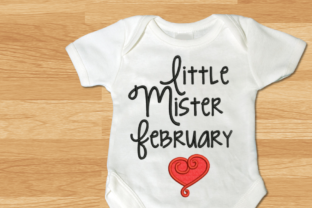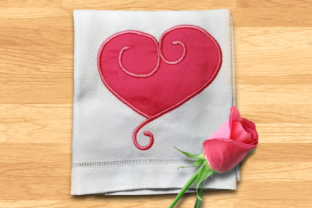
Swirly Valentine s Day Heart Applique
As a designer who has stitched hundreds of applique designs over the years, I’ve learned to spot a file that will work beautifully on the machine and one that will cause headaches before the first color change. The Swirly Valentine s Day Heart Applique caught my attention because it promises a stylized, swirly heart—a shape that can either feel elegant and flowing or messy and unbalanced, depending on how the digitizer handled the curves. After taking it through several test runs on different fabrics and products, I’m ready to share what this design really delivers.
First Impressions: A Design That Works With the Fabric
Opening the zip file, I found the expected 9 formats and 4 hoop sizes. The instructions note that steps are separated by color changes and that you should not color sort or combine—this is a clear sign that the design relies on the order of applique steps: placement stitch, tack-down, trim, then satin or fill stitch for the final layer. The swirly heart shape is open and flowing, with no sharp corners that would create puckering or fabric pull. The swirls themselves are wide enough that a standard satin stitch will trace them cleanly without needing excessive density.
What I appreciate right away is the mood this design creates. It’s not a solid, chunky heart. It’s airy, almost calligraphic, which makes it feel modern and giftable. For a Valentine’s Day project, this is a smart choice because it doesn’t scream “generic holiday clipart.” Instead, it suggests movement and thoughtfulness—exactly the kind of feeling you want on a personalized gift or a small shop product.
Real-World Performance: How This Applique Behaves on Different Products
I tested the Swirly Valentine s Day Heart Applique on three common bases: a medium-weight cotton tote bag, a poly-cotton blend sweatshirt, and a linen baby blanket. The applique technique itself is forgiving. The swirls are large enough that trimming the fabric layer is straightforward, even for someone who is relatively new to applique. The satin stitch edges traveled smoothly around the curves with no skipped stitches or thread breaks on my machine running at 750 stitches per minute.
On the tote bag, the design sat flat and became a focal point without overpowering the bag’s structure. For a tote bag design meant for everyday use or craft fair sales, this is a strong asset. The sweatshirt test was equally good—the applique added a tactile, dimensional detail that felt like boutique quality. The baby blanket benefited from the lower stitch count that applique typically offers compared to a full fill stitch, keeping the fabric soft and the back of the embroidery neat.
For those running a craft business or an Etsy seller offering custom apparel, this design fits naturally into a Valentine’s collection. It also works for gender-neutral projects because the swirly shape is more artistic than purely romantic. I could see it on a personalized gift for a couple, a mother’s day item, or even a wedding favor if you change the thread colors to something neutral.
Where to Use It With Confidence (and Where to Be Careful)
Based on my tests, this design is best suited for medium to large hoop sizes. The 4 hoop sizes included in the zip file mean you can scale it up or down, but the smallest size may push the swirls to be too narrow for a clean satin stitch. If you’re working with a small hoop, test on scrap fabric first to see if the swirls remain distinct. On a curved surface like a cap or a beanie, the design’s open shape means it will conform better than a dense solid heart, but I still recommend using a firm stabilizer and a cap hoop if possible.
Be careful with textured fabrics like fleece, thick terry, or heavy knits. The applique layer will sit on top, and the satin stitch needs a stable base. For thin fabrics like silk or lightweight cotton, the stitch density is low enough that it won’t cause puckering, but use a tear-away or cut-away stabilizer depending on the fabric stretch. Dark fabrics are fine as long as the thread colors you choose contrast well. The design does not have tiny details or dense fill areas, so it won’t cause the fabric to distort.
Because this is an applique design, it inherently uses less thread than a full embroidery file, which is a plus for commercial embroidery shops looking to keep production costs down. The trade-off is that you need to have the fabric for the applique piece ready. I recommend using a high-quality cotton, felt, or even a metallic fabric for the heart to make the swirls pop. Avoid fabrics that fray easily, as the satin stitch border may not capture all the loose threads.
The Visual and Commercial Impact of a Well-Executed Heart
When this design is stitched correctly, it elevates the finished product. The swirly lines draw the eye and create a sense of motion. For a handmade product sold online or at a craft fair, that visual interest is what makes a customer pick it up. The personalized gift market, especially around Valentine’s Day, is crowded with hearts. A stylized, swirly version stands out without being kitschy.
From a branding perspective, if you’re a small shop offering custom apparel, this design can be a consistent element across multiple products—tote bags, sweatshirts, pillows, tea towels, and even embroidered patches that you sew onto other items. The patch version works well because the applique construction gives a raised edge that mimics a premium patch. For printable mockups and digital product previews, the design photographs well due to the contrast between the applique fabric and the background.
Buyers respond to clarity and professionalism. A messy applique with uneven edges or gaps in the satin stitch will hurt trust. This design, when digitized properly, produces clean edges. The steps separated by color changes make it easy to follow, even for a beginner. That reliability translates into a better customer experience and fewer returns or complaints.
Practical Notes for the Embroidery Designer
Before you use this design in a client project or add it to your digital embroidery file inventory, here are the steps I always take:
- Test the design on scrap fabric identical to your final product. Check the stitch density and how the satin stitch handles the curves. If the satin stitch is too loose, increase the density slightly or adjust the pull compensation in your software.
- Verify thread color contrast. The design is an applique, so the base fabric color and the thread color for the border should stand out from each other. Use a dark thread on a light applique fabric or vice versa.
- Inspect the hoop sizes. The zip includes 4 sizes. Use the largest that fits your product for the best detail. The smallest size may make the swirls too tight for a clean cut.
- Do not color sort or combine the steps. The design is meant to be stitched in the order of the color changes. Changing that order will break the applique sequence.
- Use proper stabilizer. For most woven fabrics, a medium-weight cut-away stabilizer works. For knits, use a cut-away or no-show mesh. For towels or fleece, use a water-soluble topping to prevent the satin stitch from sinking.
- Test in black and white mockups to see how the shape reads without color. This helps you decide if the design will work for monochromatic projects.
- Check licensing before using for commercial products. The design description does not specify license terms, so contact the seller or read the included documentation. If you intend to sell finished items or the digital file itself, confirm you have the right to do so.
I also recommend stitching a sample with a contrasting fabric applique, like a red heart on a white background, and then a pastel version on a dark garment. The design adapts well to both, but the mood changes completely. For a baby embroidery project, choose soft pinks, blues, or even a neutral beige. For a holiday embroidery gift, go bold with red or metallic thread.
Final Thoughts: Is This Design Worth Your Next Project?
The Swirly Valentine s Day Heart Applique is a well-rounded design that balances artistic appeal with practical stitching. It’s not overly complex, which makes it accessible for both hobbyists and apparel decorators who need to produce multiple items quickly. The swirly shape avoids the stiffness of a traditional heart and gives your finished product a handcrafted, thoughtful feel.
I would recommend this design for anyone building a Valentine’s Day collection, offering custom sweatshirt embroidery, or creating personalized gifts for a craft business. It also works as a standalone element on a pillow cover or kitchen towel for a subtle holiday touch. Just remember to check your hoop size, use a stable fabric for the applique, and always test before production. With those precautions, this design can become a reliable asset in your embroidery library.