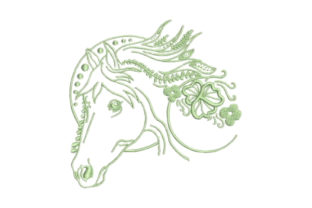
Linework Horse
When I first opened the Linework Horse machine embroidery design file for a client's boutique sweatshirt collection, I felt a quiet sense of confidence. This is not a loud, overcomplicated motif. It is a refined outline design built with satin stitches that promise a crisp, clean finish. As someone who has digitized and stitched hundreds of horse designs, I can tell you immediately that this one leans into a minimal, modern aesthetic. It feels deliberate, not rushed. The line quality suggests a steady hand during digitization, and the satin stitch structure gives it a subtle sheen that will catch light beautifully on a finished garment.
The mood here is elegant and understated. It is not a rustic, cowboy-style silhouette. It is not a playful cartoon. It is a decorative, almost architectural line drawing that could sit comfortably on a neutral oversized hoodie or a pastel crewneck. For a small boutique brand looking to create a limited drop, this design offers a strong visual identity without screaming for attention. It feels premium because it trusts the viewer to appreciate the negative space and the precision of the outline.
First Impressions on Fabric: Mood, Detail, and Stitching Personality
When I hooped a swatch of medium-weight cotton French terry to test the Linework Horse embroidery file, the first thing I noticed was the stitch density. The satin stitches are not overly packed, which means the design will maintain a soft hand on the inside of the garment. That is crucial for sweatshirt embroidery. If a design is too dense, it becomes stiff and uncomfortable, especially on the chest or sleeve where fabric moves constantly. This design strikes a balance. It feels substantial enough to hold its shape wash after wash, but not so heavy that it puckers the surrounding fabric.
The thread colors you choose will dramatically change the personality. On a dark charcoal or black sweatshirt, a white or silver metallic thread will make the Linework Horse feel bold and contemporary. On a pastel pink or heather beige hoodie, a deep navy or forest green thread will give it a vintage, almost botanical feel. Because the design is primarily outline work, it invites experimentation with contrast. I recommend testing a single-color stitch-out first. If the design is clean, you can later add a second color for accent details if the file allows. Always check the file format and color steps before committing to production.
Placement Strategies for Hoodies and Sweatshirts
For a boutique brand, placement is everything. The Linework Horse design is versatile enough to work in several locations on a sweatshirt, but each placement changes the story.
- Chest placement (left or center): This is the most natural home for this design. Centered on the chest of an oversized hoodie, it becomes a focal point without overwhelming the garment. It looks especially strong on a neutral or oat-colored blank. The satin stitch outline will stand out against the fabric texture, creating a subtle dimensional effect.
- Sleeve accent: Placing the Linework Horse on the upper sleeve, just below the shoulder, gives the sweatshirt a curated, editorial feel. This is a favorite placement for small shops that want to look like a serious apparel brand. It signals that the design was intentional, not just slapped on the front.
- Back design: If you are working with a larger hoop size, the design can be scaled or repeated for a back placement. A single large Linework Horse centered on the upper back of a crewneck sweatshirt creates a quiet, confident statement. It works well for lifestyle product photography because it draws the eye without distracting from the face of the model.
When you are preparing your hoodie design for a mockup preview, test the scale against the garment size. A small chest logo on a 2XL hoodie can look lost. A sleeve accent on a child's size can look too large. Always confirm the hoop size required for the file and measure your placement area before stitching.
Practical Designer Concerns: Stitch Density, Fabric, and Stabilizer
Every experienced embroiderer knows that a beautiful design file can fail if the foundation is wrong. For the Linework Horse design, I recommend a tear-away stabilizer for medium-weight cotton sweatshirts, and a cut-away stabilizer for stretchy fabrics like jersey or bamboo blends. Because the design uses satin stitches, the fabric needs to be stable. If the sweatshirt fabric has a lot of stretch, the satin stitches can pull and distort the outline. A cut-away stabilizer will protect the integrity of the design over many washes.
Stitch density is another critical factor. Satin stitches that are too dense can cause the thread to break or the fabric to pucker. Satin stitches that are too loose will look sloppy and uneven. In my test stitch-out, the density felt appropriate for a commercial product. The design held its shape on a medium-weight fleece without any tunneling. However, I always advise checking the file in your embroidery software before production. If you notice any areas where the satin stitches are overly long or too tight, adjust the density or add a small underlay to stabilize the shape.
For fabric texture, consider the nap of the sweatshirt. A brushed fleece has a soft, fuzzy surface that can absorb some of the thread shine. The satin stitches will still be visible, but they will look softer and more integrated. On a smooth French terry, the satin stitches will pop with a glossy, polished finish. Both are beautiful, but they create different moods. For a boutique brand that wants a premium, almost jewelry-like detail, smooth fabric is the better choice. For a cozy, casual drop, brushed fleece adds warmth and softness.
Small-Size Readability and Commercial Embroidery Viability
If you are stitching the Linework Horse on a children's size or a small adult hoodie, check the smallest details in the design. Outline designs can sometimes lose clarity when scaled down too much. The satin stitches need enough width to register as a solid line. If the file is scaled below the recommended size, the stitches may become too narrow and the design will look like a single thin thread rather than a deliberate satin stitch outline. Always test on a scrap piece of fabric before stitching the final product.
For commercial embroidery and custom apparel production, consistency is key. This design is strong enough to be repeated across a small collection without losing quality. It does not rely on overly complex color changes or delicate fill stitches that might break during high-speed production. That makes it a reliable choice for a small shop that needs to produce multiple units quickly. It is also a great candidate for a digital embroidery file that you can sell or use as a design asset for your own brand.
Impact on Product Value, Buyer Trust, and Brand Identity
When a customer buys a handmade product or a small-batch sweatshirt from an Etsy seller or an independent boutique, they are paying for attention to detail. A design like Linework Horse tells the buyer that the maker took the time to choose a motif that is not generic. It is not a stock clip art. It is a thoughtful, curated piece of art that adds value to the garment. In my experience, designs that look like they belong on a high-end lifestyle brand page sell better. They build trust because the customer feels like they are buying something special, not something mass-produced.
For product photography and printable mockup presentations, the clean lines of this design photograph beautifully. It does not look muddy or messy on a thumbnail. It scales well on digital screens, which is essential for Etsy listings and social media posts. A well-photographed sweatshirt with this embroidery will attract clicks and engagement. It also works well for lifestyle product photography because it does not compete with the background or the model's face. It sits quietly and confidently, which is exactly what a premium garment should do.
Washing Durability and Long-Term Wear
I always tell my clients to test a wash cycle before running a full production run. The Linework Horse design, with its satin stitch structure, should hold up well if the stabilizer and thread tension are correct. Satin stitches are naturally durable because they are dense and compact. However, if the thread tension is too tight, the stitches can pull the fabric and cause distortion after washing. If the tension is too loose, the stitches can snag. I recommend a medium tension and a good quality polyester thread for the best balance of shine and strength.
For washing durability, turn the finished garment inside out, wash in cold water, and tumble dry low. This will protect the satin stitches from friction and heat. If you are selling to customers, include a simple care card with the garment. It shows that you are a professional who cares about the longevity of the custom apparel you create. That small touch builds customer engagement and repeat business.
Final Thoughts for the Boutique Brand
If you are a small shop product creator or an embroidery shop owner looking for a design that feels premium, versatile, and commercially viable, the Linework Horse machine embroidery design is a strong candidate. It works on neutral sweatshirts, dark fabric, pastel colors, oversized hoodies, and cozy seasonal apparel. It can be casual or refined depending on your thread choice and placement. It is not overly complex, but it is not boring. It has a quiet confidence that will appeal to customers who appreciate minimal, thoughtful design.
Before you commit to a full production run, always verify the embroidery file format, hoop size, and stitch count. If the listing does not include these details, reach out to the seller. Test the design on your specific fabric type. Adjust your stabilizer and thread colors to match the mood of your collection. And when you photograph the finished product, let the design speak for itself. Linework Horse is not a design that needs to shout. It earns its place through precision, balance, and a deep understanding of what makes a garment feel truly special.
For the handmade business owner or the creative entrepreneur building a brand around quality over quantity, this design is a reliable asset. It will serve you well across multiple seasons and multiple product types. Whether you are stitching for a limited drop, a custom order, or a permanent collection, Linework Horse delivers the kind of clean, professional finish that keeps customers coming back.