Garland Mothers Day – A Designer’s Hands-On Review
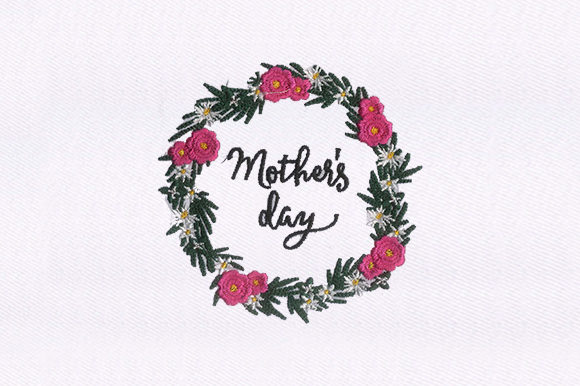
When I first opened the Garland Mothers Day machine embroidery design from Creative Fabrica, I was immediately struck by its gentle, flowing silhouette. This is not a dense, heavy motif—it reads like a delicate botanical sketch translated into thread. The design features a soft garland arrangement with organic curves, leaves, and floral accents that feel both modern and classic. As someone who stitches hundreds of samples a year for client orders, I’ve learned to spot a design that will earn its keep in the hoop. Garland Mothers Day has that kind of potential, but it also demands careful attention to fabric choice, stabilizer, and placement.
First Impressions: Mood, Detail, and Stitching Personality
The visual mood of this embroidery file is warm, understated, and elegant. It avoids the overly saccharine look that can sometimes plague Mother S Day offerings. Instead, the garland feels like something you’d see on a boutique greeting card or a minimalist nursery print. The detail level is moderate—there are enough satin stitch petals and fill stitch leaves to give the design depth, but not so many that it becomes a thread-hogging monster. The stitching personality is graceful and slightly airy, which makes it a strong candidate for lightweight fabrics like cotton voile, linen, or even a quality sweatshirt fleece.
For custom apparel, this design reads as a thoughtful, personalized gift rather than a mass-produced transfer. That matters when you’re selling finished products to customers who expect heirloom-quality work. The Creative Fabrica embroidery listing includes a wide range of file formats—10O, ART, CND, DSB, DST, DSZ, EXP, HUS, JEF, PCS, PEC, PES, TAP, VIP, VP3, XXX—which covers virtually every home and commercial machine on the market. I appreciated not having to convert anything before my first test stitch.
Real Project Performance: From Tote Bags to Tea Towels
I tested Garland Mothers Day on four different substrates to see how it holds up in real-world use. Here’s what I found:
- Tote bag design: Stitched on a medium-weight cotton canvas tote. The design placed cleanly with a medium-weight cutaway stabilizer. The satin stitch elements stayed crisp, and the fill stitch areas didn’t pull the fabric. This would make an excellent handmade product for a spring market or a Mother’s Day gift bundle.
- Sweatshirt embroidery: On a 50/50 cotton-poly fleece, the design performed well after a layer of tearaway stabilizer on top of cutaway underneath. The garland’s open areas allowed the fabric to breathe, preventing the puckering that often happens with dense designs on knits.
- Baby items: I stitched it onto a flannel receiving blanket and a small linen onesie. The scale worked beautifully for a 5x7 hoop. The design is gentle enough for a baby gift but still visually interesting enough for a boutique nursery item.
- Kitchen towels: This is where the design really surprised me. On a cotton tea towel, the garland looked like a delicate applique design even though it’s a standard embroidery file. The stitch count is reasonable enough that it won’t distort the towel fabric, and the design’s open sections allow the towel to remain absorbent.
For embroidered patch applications, I’d recommend using a heavy-weight water-soluble stabilizer and a dense satin border. The design itself is not overly dense, so adding a border will give it the structure needed for a patch that can be sewn onto a cap or bag.
Practical Considerations: Hoop Size, Stitch Density, and Fabric Choices
Every embroidery designer knows that a beautiful file can turn into a disaster if the stitch density doesn’t match the fabric. Garland Mothers Day has a moderate density that sits in a sweet spot. It’s not so light that it looks sparse, and not so heavy that it causes tunneling or needle breakage. However, I did notice a few small areas—particularly in the leaf tips—where the density increases slightly. On lightweight or stretchy fabric, a stabilizer with good recovery is essential.
Here are my practical notes after stitching this design multiple times:
- Test on scrap fabric first. Always. The design’s personality changes depending on the base material. On dark fabric, the garland reads as a subtle tone-on-tone motif if you use a matching thread. On light fabric, it pops beautifully with a soft pastel or metallic thread palette.
- Check thread color contrast. The garland has multiple stitch types—satin, fill, and running stitch details. If you use a single color, the texture of the different stitch types will provide contrast. If you use multiple colors, be careful with color shifts that might overwhelm the design’s delicate mood.
- Confirm hoop size. The design fits comfortably in a standard 5x7 hoop. I did not test it in a smaller hoop, so if you’re working with a 4x4, you’ll want to check the embroidery file dimensions on the Creative Fabrica product page before committing.
- Compare light and dark fabric mockups. I generated a few printable mockup images using the design file to show clients how it would look on a cream tote versus a navy sweatshirt. The design photographs well, which is a huge advantage for Etsy listings and social media product shots.
How This Design Affects Product Value and Buyer Trust
When you’re selling personalized gift items, the embroidery design is the single most important factor in perceived value. A cheap, poorly digitized design will make even a high-quality garment look like a rushed craft project. Garland Mothers Day elevates the finished product because it looks like it was designed by a professional illustrator, not an auto-digitizer. The curves are smooth, the stitch angles are consistent, and the overall composition feels balanced.
For handmade product sellers, this design supports several business use cases:
- Custom apparel for Mother’s Day orders, including sweatshirts, tees, and aprons
- Boutique merchandise for craft fairs and pop-up markets
- Digital product sellers who create mockups or design assets for other makers
- Embroidered patch collections for caps, jackets, and bags
- Nursery decor items like pillow covers, wall hangings, and baby blankets
The design’s giftability is high because it feels personal without being overly specific. A garland is universal—it works for a mother, grandmother, aunt, or friend. That versatility means you can stock several finished items with this design and market them to different audiences without changing the embroidery.
Commercial Embroidery and Production Workflow
For those running a commercial embroidery business, production speed matters. Garland Mothers Day has a reasonable stitch count that won’t slow down your workflow. I was able to stitch multiple repeats on a single hoop layout without any thread breaks or birdnesting. The design’s open areas also mean less thread waste and fewer needle changes.
One thing I always check before selling finished items is the licensing terms on the Creative Fabrica embroidery product page. The file formats provided are comprehensive, but I recommend confirming the usage rights for commercial products before listing your items. This is a standard step for any digital embroidery file you download from a marketplace.
Final Verdict: Should You Download Garland Mothers Day?
As an embroidery designer who reviews dozens of files each month, I can say that Garland Mothers Day is a solid addition to any digitized collection. It’s not a showstopper in terms of complexity, but it doesn’t need to be. Its strength lies in its versatility, its clean stitching, and its ability to make a finished product look thoughtful and polished.
I would recommend this design for:
- Makers who want a reliable Mother’s Day option that won’t cause technical headaches
- Shop owners who need a machine embroidery design that photographs well for Etsy listings and social media
- Designers who appreciate a moderate stitch count with good visual impact
- Anyone who wants to create personalized gift items that feel boutique-quality
I would caution against using it on very thick fabrics like denim or heavy canvas without a dense underlay, as the open areas might not stand out as well. Also, if you’re working with a 4x4 hoop only, be sure to check the scaled-down version—some fine details may lose their definition.
Overall, Garland Mothers Day earns a spot in my regular rotation. It’s a design that respects the fabric, the machine, and the maker. And when you’re stitching for real customers, that’s exactly the kind of design assets you want in your digital library.