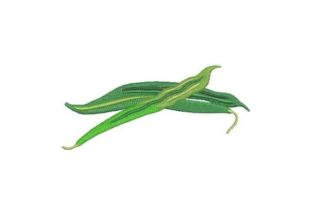
Bush Beans: A Harvest-Ready Embroidery Design for Small Business Merch
When I first opened the Bush Beans embroidery file, I immediately felt that familiar sense of anticipation that comes with reviewing a new design for client work. The description promises a cute, hand-drawn bean motif built for the harvest season, and from a designer's perspective, that signals a design with strong potential for small business merch that needs to feel both approachable and grounded. Whether you run a café, a handmade food brand, a farm stand, or a boutique that values rustic charm, this machine embroidery design offers a compelling visual anchor for branded merchandise. Let me walk you through how Bush Beans performs when you view it not just as a decorative pattern, but as a serious asset for commercial embroidery and brand identity.
First Impressions: A Design That Feels Like Home
Bush Beans immediately reads as friendly, handmade, and rooted in a sense of wholesome abundance. The description emphasizes careful hand-design and a promise of cuteness on any fabric, which tells me the original artist prioritized a soft, organic feel over rigid precision. That is a smart choice for businesses in the Food category, where customers respond to warmth and authenticity. The design does not feel corporate or cold; instead, it evokes farmhouse tables, kitchen gardens, and slow mornings. For a handmade product brand, this kind of visual personality is gold. It feels premium without being stiff, and it carries a nostalgic quality that builds instant trust. When I look at Bush Beans, I see a design that would work beautifully as an embroidered patch on an apron, a subtle chest logo on a work shirt, or a centered detail on a tote bag. The first impression is clear: this is a design that understands the value of heart in custom apparel.
How Bush Beans Performs in Real Business Use
In my years of working with digital embroidery files for small businesses, I have learned that a design's true worth is revealed when it moves from the screen to the fabric. Bush Beans holds up well across several key applications.
Apron Embroidery and Staff Uniforms
For a café, bakery, or farm-to-table restaurant, apron embroidery is often the first place a customer sees your brand. Bush Beans sits naturally on a chest pocket or centered above the waist. The bean motif is simple enough to read at a distance, yet detailed enough to reward a closer look. I would recommend testing it on a mid-weight cotton or linen apron to see how the stitch work settles. The design's hand-drawn quality means that even if the fabric shifts slightly, the finished look retains a charming, imperfect quality that feels intentional. For staff uniforms, this design can unify a team without feeling overly uniform. It adds a layer of personality that customers remember.
Cap Embroidery and Tote Bag Design
Cap embroidery presents a unique challenge because of the curved surface. Bush Beans is compact enough to fit on a cap front or side panel, but I would caution against placing it too close to the brim or seam. The bean shapes are organic, so they can adapt to the curve better than rigid geometric designs. On a tote bag design, Bush Beans shines. A large, centered placement on a canvas tote creates an instant signature for a farmers market stall or a boutique gift shop. The design feels like a stamp of quality, and customers will associate it with the handmade, seasonal ethos of your brand. For event merch, this is a design that can be printed on a printable mockup and pitched to a client in minutes, which is a huge advantage when you are working on a tight timeline.
Embroidered Patches and Product Packaging
One of the strongest uses for Bush Beans is as an embroidered patch. Patches offer flexibility for small businesses that want to test merchandise without committing to a full run of embroidered garments. Bush Beans as a patch can be sewn onto aprons, caps, bags, or even used as a product packaging accent. Imagine a small muslin bag of coffee beans or dried herbs with a Bush Beans patch stitched to the front. That single detail elevates the entire handmade product into a giftable item. It also works well on darker fabrics because the bean shapes provide enough contrast when stitched in a light thread color. I have seen similar designs become the signature element for a whole brand, and Bush Beans has that same potential.
Where to Use Bush Beans with Care
No design is perfect for every application, and a responsible designer will always flag the edges where a design might struggle. Bush Beans is a hand-drawn motif, which means it has a certain organic looseness. That is a strength in most contexts, but there are situations where you need to test carefully.
- Small patch sizes: If you shrink Bush Beans down to a very small patch, the bean details may lose definition. I recommend testing at a minimum width of around 2 inches to preserve the visual clarity of the beans. If the client insists on a tiny size, consider simplifying the design or using a single bean as a minimal logo.
- Cap fronts and curved surfaces: As mentioned, the organic shapes help, but you still need to test on real fabric before committing to a production run. Use a medium-weight stabilizer to prevent the beans from distorting along the curve of a cap.
- High stitch density areas: Depending on how the original designer digitized the file, some areas of Bush Beans might have higher stitch density. This can cause issues on thin or stretchy fabrics. Always check the stitch count and density in your software before hooping. If the density is high, you may need to use a cutaway stabilizer or reduce the stitch count slightly.
- Textured fabric: On fabrics like fleece, terry cloth, or heavy knits, the fine details of the hand-drawn leaves or bean shapes can get lost. I recommend using a topper or a water-soluble film to keep the stitches crisp on top of the texture.
- Dark uniforms: If the thread colors in the original design are light, you will need to adjust the palette for dark backgrounds. A white or cream bean on a dark green or black apron can look stunning, but you must test the contrast. Always review thread color contrast in your software and on a scrap of the actual fabric.
- Items that need frequent washing: For aprons or uniforms that will be washed repeatedly, make sure the design is digitized with a good underlay and that you use a high-quality polyester thread. The organic shapes help hide minor thread wear, but you still want the finished product to last through many washes.
Brand Identity and Customer Trust
Bush Beans is not just a decoration; it is a statement about your brand. When a customer sees this design on an apron or a tote bag, they immediately associate it with care, seasonality, and a personal touch. For a small business, brand identity is built on these small, consistent visual cues. Bush Beans feels like a mark of a brand that sources well, takes time with its products, and values the human hand in production. That translates directly into customer trust and buyer engagement. Shoppers are more likely to remember a brand that uses a distinctive, thoughtful embroidery file on its merchandise. It also helps with visual consistency across different items. If you use Bush Beans on your aprons, your caps, your patches, and your packaging, you create a cohesive look that says "this is a real business, not a side hustle." That consistency is what separates a handmade product brand from a collection of random items.
For Etsy sellers and craft business assets creators, Bush Beans offers a ready-made design asset that can be used for multiple product lines. You can sell the finished embroidered items, or you can use the design as a digital product if you have the proper licensing. The design's cute, harvest-friendly aesthetic appeals to a broad audience, from foodies to home decor lovers. It elevates the perceived value of the merchandise, allowing you to price your goods higher because customers see the commercial embroidery as a sign of quality.
Practical Embroidery Designer Notes
Before you commit to a full production run with Bush Beans, I have a few practical steps that will save you time and thread. These are based on my own experience with similar digital embroidery files in the Embroidery category.
- Test it in black and white first: Load the design into your software and view it in black and white to see the stitch structure clearly. This helps you spot any areas where the density is too high or where the outlines might be too thick for small sizes.
- Check if it works at small patch size: As I mentioned, test at the intended patch size on a scrap of fabric. If the beans lose their shape, consider resizing or adjusting the stitch settings.
- Review thread color contrast: The original design likely uses a palette that matches the harvest theme. If you are stitching on a dark fabric, create a mockup with contrasting thread colors. A gold or cream bean on a dark green background is a classic combination that works well.
- Inspect spacing: Look at the spacing between the beans and any leaves or stems. If the design is too tight, it may cause thread breaks or fabric puckering. Looser spacing is usually safer for commercial embroidery.
- Confirm hoop size: The description does not specify a hoop size, so you must check the dimensions of the file before you start. A design that requires a large hoop may not be suitable for small items like caps. If possible, ask the seller for the exact measurements.
- Test on real fabric: There is no substitute for running a test stitch on the actual fabric you plan to use. This will reveal any issues with tension, density, or fabric stability. Use a stabilizer that matches the fabric weight, and don't skip the test.
- Use proper stabilizer: For knit fabrics, use a cutaway stabilizer. For wovens, a tearaway may suffice. For patches, a heavy cutaway or a fusible backing is recommended. The stabilizer choice can make or break the finished product.
- Create a mockup for client approval: Before you stitch a full order, use a printable mockup to show the client how Bush Beans will look on their specific merchandise. This builds trust and prevents misunderstandings. I always create a mockup that shows the design on an apron, a cap, and a tote bag.
- Compare it beside other design assets: If your client already has a logo or other design assets, place Bush Beans next to them to see if the visual styles match. The design should complement, not compete with, the existing brand identity.
- Confirm commercial licensing before business use: The description indicates that the design comes in multiple file formats and is "compa" (likely meaning compatible or complete). However, you must verify that the license allows commercial embroidery on products for sale. Contact the seller if the license terms are not clear. Using a digital embroidery file without proper commercial rights can lead to legal issues down the road.
Bush Beans is a design that rewards attention to detail. It has the heart of a handmade product and the versatility to serve as a cornerstone of your small business merch strategy. Whether you are stitching it onto an apron for a local café, sewing it onto a patch for a craft fair, or using it as a tote bag design for your online store, this embroidery file brings a warm, harvest-ready energy that customers will notice and remember. As with any design, the key is to test, adjust, and then trust the process. If you take the time to set it up properly, Bush Beans will become a reliable asset in your custom apparel lineup. I am confident that this design will help you create merchandise that feels thoughtful, professional, and deeply connected to the season. Happy stitching.