Baby Hippo: A Designer’s Review for Small Business Merch
As an embroidery designer who works closely with small businesses, I’ve seen countless cute designs fail because they weren’t built for real production. Today, I’m reviewing the Baby Hippo machine embroidery design from the Baby Animals category. It’s described as “an overload of cuteness” and “perfect for kids.” But if you’re a business owner—whether a café, boutique, bakery, or handmade brand—you need to know if this digital embroidery file can deliver on brand identity and commercial durability. Let’s take a close look.
First Impressions: Cute, But Built for Business?
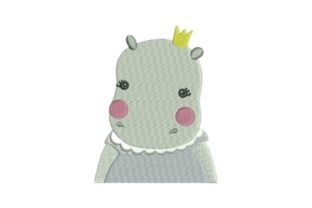
My first reaction to Baby Hippo is positive. It feels friendly, warm, and highly versatile. It carries a premium, handmade aesthetic that fits beautifully into a playful brand story. For a children’s boutique, a florist, or a pet brand, this design is an immediate trust-builder. However, the Embroidery category is crowded with cute animals. What makes this one work for small business merch is its apparent simplicity. It doesn’t rely on excessive tiny details that get lost in the wash. But we must verify that before we stitch.
Where Baby Hippo Shines in Business Use
This design has strong potential across multiple merchandise formats. Let’s break down the best placements for your custom apparel and branded merchandise.
Embroidered Patches for Branded Merch
Baby Hippo is an excellent candidate for an embroidered patch. A well-made patch adds a tactile, premium feel to any item. Imagine this little hippo on a denim jacket for a creative studio, or as a collectible patch for a local bakery. Patches allow you to offer low-cost, high-perceived-value merch that customers love to collect and trade. The design’s shape seems conducive to a clean patch edge, which is a huge plus for commercial embroidery production.
Apron Embroidery for Cafés and Bakeries
For businesses centered on hospitality and homemade goods, apron embroidery is a cornerstone of brand identity. Baby Hippo stitched on a canvas apron instantly communicates a warm, family-friendly atmosphere. It softens the professional look of a uniform and makes staff feel more approachable. I can see this working beautifully for a rustic bakery or a plant-based café. The key here is thread colors—choose a pastel palette for a soft look, or a bold, branded color to make the design pop against the fabric texture of the apron.
Tote Bag Design and Custom Apparel
A tote bag design is a walking billboard for your business. Baby Hippo centered on a large tote is a strong, memorable visual. It works on t-shirts, onesies, and hoodies for custom apparel lines. For an Etsy seller or a handmade product brand, using this design consistently across your product range builds a cohesive look. It becomes your signature. When a customer sees the hippo, they immediately recognize the quality of your finished product.
Technical Deep Dive: The Designer’s Checklist
Before you send this embroidery file to production, there are several technical factors to review. Cute designs can be deceptively complex. Here is my professional checklist for Baby Hippo.
Stitch Density, Fabric Texture, and Stabilizer
The description claims it works on “any type of fabric.” In practice, stitch density is the deciding factor. A high-density design can cause puckering on lightweight fabrics like a baby onesie or a silk blouse. For smooth, stable fabrics (tote bags, aprons, structured caps), a medium density is perfect. For knits or delicate fabric texture, you must use a high-quality cutaway stabilizer. I always recommend testing a black and white stitch-out first. This removes the distraction of color and lets you inspect the actual stitch structure, pull compensation, and underlay. Look for gaps or overly dense satin stitches.
Cap Embroidery and Scaling Challenges
Cap embroidery is a major revenue stream for many embroidery shops, but it is also the most demanding placement. The front panel of a cap is small, curved, and heavily structured. Scaling Baby Hippo down to fit a 4x4 hoop size for a cap front can cause the cute details (eyes, snout, little toes) to lose definition. If the design is too detailed, the stitch density will make the cap stiff and uncomfortable. I advise using a side profile or a left chest placement for caps instead of a full front center design. Always request a printable mockup from your digitizer before committing to cap embroidery.
Thread Colors and Contrast for Brand Identity
The default “baby” palette is soft and pastel. But for small business merch, you should consider your specific brand identity. A pink hippo is cute. A black or charcoal hippo on a cream apron becomes a sophisticated, modern logo. A gold or metallic thread on a navy tote bag feels luxurious. Contrast is critical. A pastel hippo on a white uniform will disappear. Test your thread colors against the actual uniform fabric. A high-contrast design ensures your brand is visible and recognizable, even from a distance.
The Business Impact: Brand Identity and Customer Trust
Investing in quality machine embroidery design directly affects how customers perceive your business. A clean, professionally executed Baby Hippo signals that you care about details. It builds emotional connection. People are drawn to cute, friendly imagery, and they will associate that feeling with your brand. This is especially powerful for handmade product sellers on Etsy or at craft fairs. A beautifully stitched hippo on a onesie allows you to command a higher price because the customer sees the commercial embroidery value. It transforms a basic garment into a sought-after finished product. Conversely, a poorly digitized execution (skipped stitches, puckering, loose threads) will damage trust and cheapen your brand.
Practical Designer Notes for Production
Before you use Baby Hippo for your branded merchandise, follow these steps to protect your investment and ensure a professional result.
- Test in Black and White: View the digital embroidery file in grayscale first. This reveals the true stitch structure without the distraction of color. Look for uneven density or gaps.
- Check the Formats: The description says it comes in multiple file formats. Ensure your specific machine can read the file (.DST, .PES, .EXP, etc.). If not, have a digitizer convert it.
- Confirm Hoop Size: Check the native hoop size required. If it requires a 5x7 hoop, scaling it down to a 4x4 may ruin the design. Plan your placements accordingly.
- Use a Proper Stabilizer: For apron embroidery or tote bag design, a medium-weight tear-away works. For custom apparel on knits, use a cutaway stabilizer to prevent puckering over time.
- Create a Mockup: Use a printable mockup or a digital overlay to show the client exactly where the design will sit on the cap, apron, or shirt. This avoids costly miscommunication and ensures the design assets align with the brand vision.
- Verify Commercial Licensing: The product description does not explicitly state the licensing terms. If you are producing embroidered patches or custom apparel for sale, you must confirm that the embroidery file includes commercial rights. Do not assume. Contact the seller. Using a design without a proper license is a legal risk for your business.
- Wash Test: Stitch the design on a scrap piece of your target fabric. Wash and dry it normally. Check for shrinkage, thread breaks, or distortion. This is especially important for baby items and café aprons that will be washed frequently.
Final Verdict for Small Business Owners
Baby Hippo is a strong, commercially viable machine embroidery design for small business merch. It offers a friendly, premium brand identity that works across a wide range of products—from embroidered patches and apron embroidery to tote bag design and custom apparel. Its success depends entirely on the quality of your production setup. Respect the stitch density, choose the right stabilizer and thread colors, and always test before you commit to a bulk order. When executed properly, this little hippo becomes more than just a cute design—it becomes a trusted, profitable asset for your brand. Add it to your design assets library, but only after you’ve verified its performance at your intended scale and placement.